
Innovent Wellness

Mitochondrial Reset

Exploring the Science of Cellular Energy, Recovery, and Longevity

Better cellular health begins with understanding the energy systems that power your body.

Every movement, every heartbeat, and every biological process depends on energy produced within your cells.

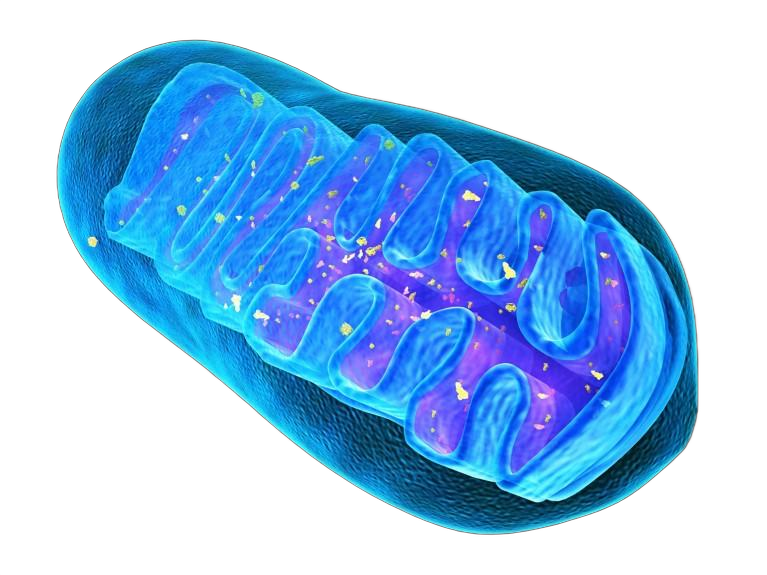
At the center of this process are your mitochondria — specialized structures responsible for generating much of the energy your body needs to function.

As we age, mitochondrial function can change. Oxidative stress, metabolic conditions, inflammation, and other biological factors may also influence how efficiently our cells produce and manage energy.

Emerging scientific research is investigating whether compounds such as SS-31, MOTS-c, and NAD+ may influence mitochondrial function and cellular health.

At Innovent Wellness, we're committed to exploring the science behind these developments and helping individuals better understand the evolving field of mitochondrial research.

3D illustration of a mitochondrion, the structure inside cells that produces energy

What Is a Mitochondrial Reset?

Understanding Your Body's Cellular Powerhouses

Mitochondria are often described as the body's cellular power plants.

They help convert nutrients into adenosine triphosphate (ATP), the primary energy currency used by cells.

Beyond energy production, mitochondria contribute to:

  • •Cellular metabolism and energy regulation
  • •Responses to oxidative stress
  • •Calcium signaling
  • •Cellular repair and quality-control processes
  • •Normal immune and inflammatory signaling
  • •Adaptation to physical activity and metabolic demands

The phrase “mitochondrial reset” describes an emerging wellness concept centered on supporting healthy cellular energy systems.

It does not refer to a medically established procedure or a proven ability to restore mitochondria to a younger biological state.

Researchers are studying how mitochondrial-targeted compounds, metabolic signaling molecules, and lifestyle interventions may influence mitochondrial health.

Three substances receiving scientific attention are SS-31, MOTS-c, and NAD+.

Emerging Research

Three Areas of Emerging Mitochondrial Science

Three substances are receiving particular scientific attention for their potential involvement in mitochondrial function and cellular energy.

Protein complexes embedded in the inner mitochondrial membrane
Protein complexes embedded in the inner mitochondrial membrane — the microscopic structures involved in cellular energy production.
1

SS-31 (Elamipretide)

Exploring Mitochondrial Membrane Function

SS-31, also known as elamipretide, is a mitochondria-targeted peptide studied for its interactions with cardiolipin, an important component of the inner mitochondrial membrane.

Research has examined its potential effects on mitochondrial structure, energy production, and cellular function.

Areas of scientific investigation include:

  • Mitochondrial membrane stability
  • Cellular energy production
  • Oxidative stress
  • Mitochondrial dysfunction associated with certain diseases

SS-31 has undergone human clinical investigation, including studies involving rare mitochondrial disorders.

These findings are disease- and population-specific and do not establish that SS-31 improves energy, athletic recovery, or longevity in otherwise healthy individuals.


2

MOTS-c

Exploring Metabolic Signaling and Cellular Adaptation

MOTS-c is a naturally occurring peptide encoded by mitochondrial DNA.

It has attracted scientific interest because of its potential involvement in metabolic regulation and cellular responses to stress.

Preclinical research has investigated its relationship with:

  • Glucose metabolism
  • Insulin signaling
  • Cellular stress responses
  • Exercise-related metabolic adaptation
  • Metabolic flexibility

Some experimental findings suggest that MOTS-c may influence pathways involved in cellular energy balance.

However, much of the intervention research remains preclinical. The safety, effectiveness, and appropriate use of administered MOTS-c in humans have not been established.

3

NAD+ (Nicotinamide Adenine Dinucleotide)

Understanding a Fundamental Molecule in Cellular Energy

NAD+ is a naturally occurring coenzyme found throughout the body.

It plays essential roles in cellular metabolism, including energy-producing reactions and processes involved in DNA repair and cellular signaling.

NAD+ is particularly important because it participates in reactions that support normal mitochondrial energy production.

Areas of scientific interest include:

  • Cellular energy metabolism
  • Redox balance
  • DNA repair pathways
  • Sirtuin-associated signaling
  • Age-related changes in cellular metabolism

NAD+ biology is well established, and researchers are studying ways to influence NAD+ availability.

However, evidence that administered NAD+ produces meaningful improvements in energy, recovery, or longevity in healthy adults remains limited. Evidence from NAD+ precursors cannot automatically be applied to injectable NAD+.

How Do SS-31, MOTS-c, and NAD+ Differ?

Although these substances are often discussed together, they influence different aspects of mitochondrial biology.

CompoundPrimary scientific focus
SS-31Mitochondrial membrane interactions and cellular energy function
MOTS-cMetabolic signaling and cellular adaptation
NAD+Cellular energy reactions and metabolic regulation

These mechanisms have prompted interest in their possible complementary roles.

However, there is no established clinical evidence that combining SS-31, MOTS-c, and NAD+ creates a mitochondrial reset, improves longevity, or provides superior outcomes compared with individual interventions.

Their combined safety and effectiveness have not been established.

Why Mitochondrial Health Matters

Cellular Energy Is Foundational to Healthy Aging

Mitochondrial function plays an important role in overall health, particularly in tissues with high energy demands, such as the brain, heart, and skeletal muscles.

Researchers continue to investigate relationships between mitochondrial health and:

Energy Metabolism

How efficiently cells convert nutrients into usable energy.

Healthy Aging

How mitochondrial function changes over time and contributes to age-related biological processes.

Metabolic Health

How cells regulate energy balance, glucose metabolism, and metabolic adaptation.

Physical Performance and Recovery

How mitochondria respond to exercise, training, and changing energy demands.

Cellular Resilience

How cells respond to oxidative stress and maintain normal biological function.

These areas of research offer valuable insights into cellular health, although they do not establish that experimental peptides can prevent aging or treat general fatigue.

Supporting Your Mitochondria Through Evidence-Based Wellness

While emerging compounds continue to be studied, several established lifestyle practices can help support mitochondrial and metabolic health.

Regular Physical Activity

Aerobic exercise and resistance training promote beneficial adaptations in skeletal muscle, including mitochondrial biogenesis and function.

Balanced Nutrition

Adequate nutrition provides essential substrates and micronutrients involved in cellular energy metabolism.

Quality Sleep

Consistent, restorative sleep supports metabolic regulation and normal cellular function.

Metabolic Risk Management

Managing blood pressure, blood glucose, excess weight, and other cardiometabolic risk factors can contribute to long-term health.

Individualized Medical Care

A qualified healthcare professional can help identify underlying conditions that may contribute to fatigue, exercise intolerance, or other symptoms.

A scientist examining a glowing sample under a microscope in a modern research laboratory
Mitochondrial research continues to advance in laboratories around the world.

The Future of Mitochondrial Science

Research Today. Possibilities for Tomorrow.

Scientific understanding of mitochondrial biology continues to evolve.

From mitochondria-targeted peptides to metabolic signaling molecules and NAD+-related pathways, researchers are investigating new ways to understand cellular energy and disease.

At Innovent Wellness, our focus is on education, scientific awareness, and responsible discussion of emerging developments in peptide and mitochondrial research.

We believe that understanding the science is an important first step toward making informed wellness decisions.

Important Scientific and Medical Disclaimer

“Mitochondrial reset” is a wellness and educational term, not an established medical treatment or clinically validated outcome.

SS-31 (Elamipretide) has been investigated in clinical studies and has a specific regulatory status that must be considered separately from general wellness uses. MOTS-c remains investigational, and administered NAD+ has not been established as an effective treatment for general anti-aging or mitochondrial optimization.

This content is for educational purposes only and does not constitute medical advice, an offer to prescribe, or a recommendation to use experimental substances. It does not establish the safety or efficacy of combining these compounds.

FDA restrictions, including those relating to Category 2 bulk drug substances, may limit whether particular substances can legally be compounded or marketed for human use.